


Security 358 fencing—also known as 358 mesh or anti-climb welded mesh—is a high-security perimeter system designed for locations where protection against intrusion, climbing, or cutting is essential. The name “358” refers to the mesh size: 3 inches × 0.5 inches (76.2 × 12.7 mm), welded using 4 mm high-tensile steel wire.
The small aperture prevents fingers and footholds, making climbing nearly impossible. It also resists cutting attempts with hand tools, creating one of the most secure physical barriers available for critical infrastructure.
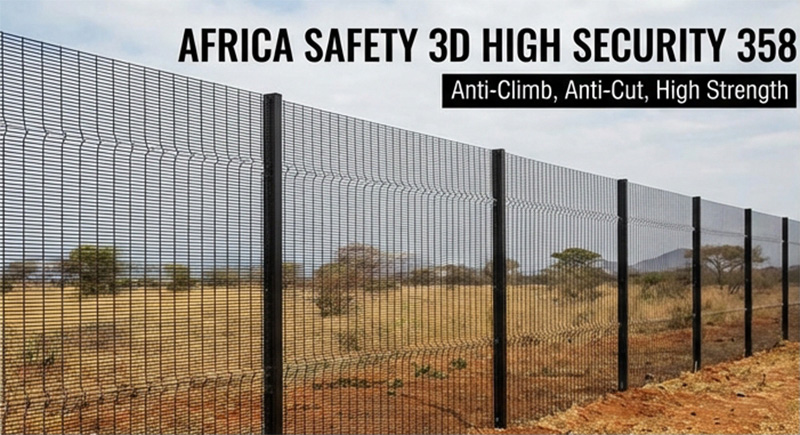
358 Mesh Fencing
1. Anti-Climb Design
The extremely narrow openings eliminate footholds and grip points. Even with climbing aids, the mesh does not allow any leverage, making it one of the most effective anti-climb barriers in its class.
2. Anti-Cut & High Structural Strength
Each intersection is welded, creating a rigid, tamper-resistant panel. The small mesh openings make it difficult for bolt cutters or pliers to reach the wires, offering excellent resistance to cutting and forced penetration.
3. Excellent Visibility for Surveillance
Despite the dense mesh, 358 fencing provides clear line-of-sight visibility. This makes it ideal for CCTV monitoring, guard patrols, and integrated electronic security systems.
4. Long-Lasting Corrosion Protection
Panels and posts are typically hot-dip galvanized and may be coated with durable powder finishes for additional weather resistance. The system performs reliably in harsh outdoor climates, coastal areas, or industrial environments.
5. Modular System with Flexible Height Options
Panels can be configured in various heights—commonly from 2.1 m up to 5 m or more. It adapts easily to different terrain, site requirements, and security levels. Additional security enhancements—like razor wire, electric fencing, or intrusion detection—can be added as needed.
Typical Applications
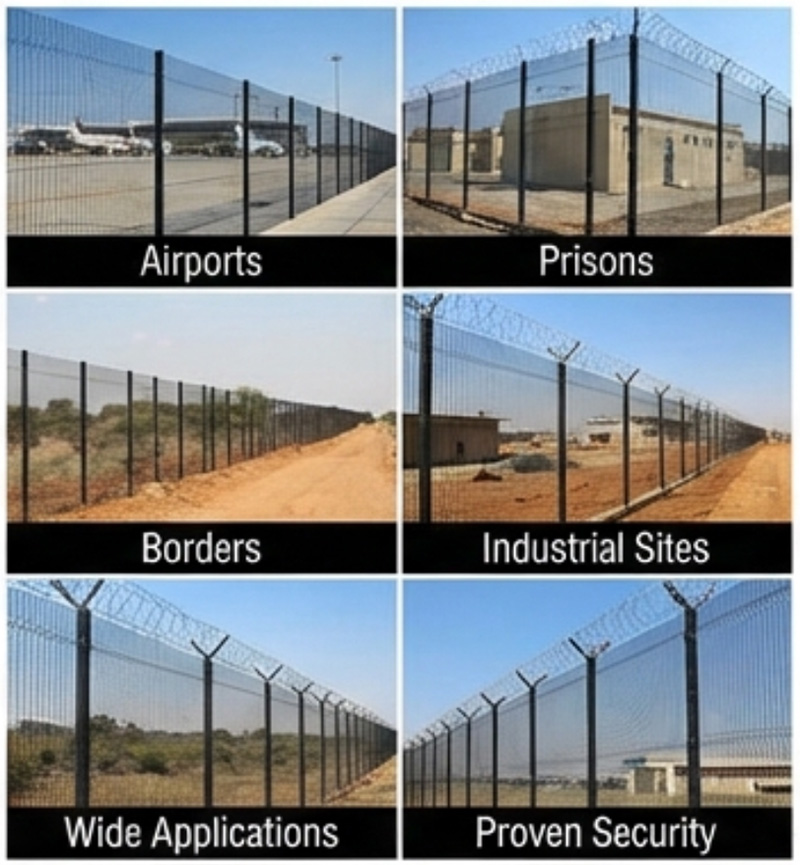
Security 358 fencing is widely used in locations that demand maximum perimeter protection:
• Correctional Facilities & Detention Centers
Prevents climbing, cutting, and escape attempts.
• Airports & Transportation Hubs
Controls access, enhances boundary safety, and supports surveillance systems.
• Data Centers & Sensitive IT Infrastructure
Provides robust physical security for high-value assets.
• Power Stations, Utilities, and Energy Sites
Protects critical infrastructure from unauthorized access and tampering.
• Industrial Plants & Warehouses
Reduces theft, vandalism, and perimeter breaches.
• Government Buildings & Military Facilities
Used as frontline security fencing for restricted areas.
Post time: Dec-04-2025